Geophysics in Chandler, Arizona, encompasses a suite of non-invasive subsurface investigation techniques used to map underground conditions without excavation. This category includes methods such as Ground Penetrating Radar (GPR) survey, seismic methods, and electrical resistivity testing, each providing critical data for engineering, environmental, and construction projects. In a rapidly growing city like Chandler, where urban expansion meets complex desert geology, understanding what lies beneath the surface is essential for safe and cost-effective development.
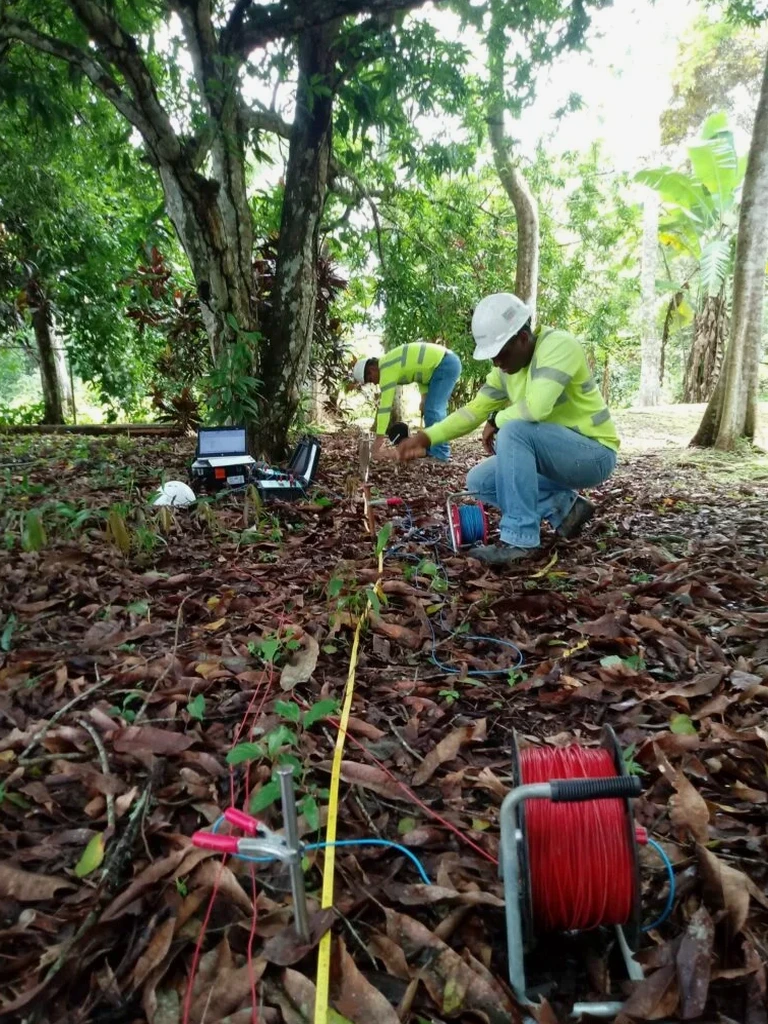
The local geology of Chandler is characterized by basin-fill sediments within the Salt River Valley, part of the Basin and Range Province. These unconsolidated to semi-consolidated alluvial deposits, composed of sands, gravels, silts, and clays, can vary dramatically over short distances. Caliche layers, cemented by calcium carbonate, are common and can present drilling obstacles or affect infiltration rates. Additionally, the proximity to the San Tan Mountains and the presence of buried paleochannels introduce lateral heterogeneity that demands high-resolution geophysical imaging. Shallow groundwater in some areas further influences the choice of geophysical method, making techniques like electrical resistivity / VES (Vertical Electrical Sounding) particularly valuable for mapping water tables and clay lenses.
While the United States does not have a single national standard mandating geophysical surveys, projects in Chandler must comply with relevant Arizona state regulations and local municipal codes. The Arizona Geological Survey provides guidelines for subsurface investigations, and geophysical work often follows ASTM International standards such as ASTM D6431 for resistivity and D5777 for seismic refraction. For environmental assessments, compliance with the Arizona Department of Environmental Quality (ADEQ) is required, particularly when characterizing contaminant plumes or monitoring groundwater. Geotechnical reports submitted for City of Chandler building permits must demonstrate adequate site characterization, with geophysics serving as a recognized screening tool to guide intrusive sampling programs.
The types of projects that require geophysical services in Chandler are diverse. Pre-construction site assessments for commercial developments, residential subdivisions, and public infrastructure like roads and water pipelines routinely employ seismic tomography (refraction/reflection) to determine rippability and depth to bedrock. Utility locating and concrete scanning before coring or demolition rely heavily on GPR surveys. Environmental site investigations use electrical resistivity to delineate contaminant migration pathways. For seismic hazard studies, especially in areas with known Quaternary faulting, HVSR microtremor survey (Nakamura method) provides site-specific shear-wave velocity profiles for ground motion prediction, crucial for designing earthquake-resistant structures in accordance with the International Building Code adopted by Chandler.
Questions and answers
What is the purpose of a geophysical survey in Chandler, AZ?
Geophysical surveys in Chandler aim to non-invasively characterize subsurface conditions before construction or environmental work. They identify buried utilities, map soil and rock layers, locate groundwater, and detect voids or contaminant plumes. This reduces the risk of unexpected ground conditions, guides targeted drilling programs, and ensures compliance with local building codes and environmental regulations.
How do local soil conditions in Chandler affect the choice of geophysical method?
Chandler's basin-fill sediments, including sands, gravels, and cemented caliche layers, create variable subsurface conditions. Methods like electrical resistivity are effective for differentiating clay-rich zones from dry sands, while seismic tomography helps map the top of stiff caliche or bedrock. The choice depends on the target depth, required resolution, and whether the ground is conductive or resistive.
Are geophysical investigations required by building codes in Chandler?
While Chandler's building codes do not explicitly mandate geophysics, they require adequate site characterization for structural safety. Geophysical surveys are recognized as a valuable tool to meet these requirements, especially when following ASTM standards. For environmental projects, ADEQ may require non-invasive plume mapping, making geophysics a practical necessity for regulatory approval.
What depth can geophysical surveys typically investigate in the Chandler area?
Investigation depth varies by method and local ground conditions. GPR in dry sands may penetrate 10 to 15 feet, while in clay-rich soils, penetration drops significantly. Seismic refraction and electrical resistivity can typically image depths of 30 to 100 feet or more, sufficient for most geotechnical and hydrogeological studies in the Salt River Valley basin fill.