Seismic engineering in Chandler, Arizona, encompasses a comprehensive suite of geotechnical and structural analyses designed to mitigate earthquake risks for infrastructure and development projects. While Arizona is not traditionally associated with high seismicity like California, the state experiences moderate seismic hazard due to its proximity to the Intermountain Seismic Belt and local fault systems such as the San Andreas Fault's influence and the nearby McDowell Mountains fault zone. For Chandler, a city experiencing rapid urban growth, understanding seismic amplification, liquefaction potential, and site-specific ground motion is critical to ensuring public safety and structural resilience.
The geology beneath Chandler plays a significant role in how seismic waves propagate and affect structures. The city lies within the Basin and Range Province, characterized by deep alluvial basins filled with unconsolidated sediments, sands, and gravels eroded from surrounding mountains. These soft soil deposits can amplify ground shaking and are susceptible to phenomena like soil liquefaction, where saturated soils lose strength during cyclic loading. A thorough seismic amplification analysis evaluates how local soil conditions modify bedrock motions, while a soil liquefaction analysis determines the risk of ground failure beneath foundations, both of which are essential for Chandler's floodplain and former agricultural lands.
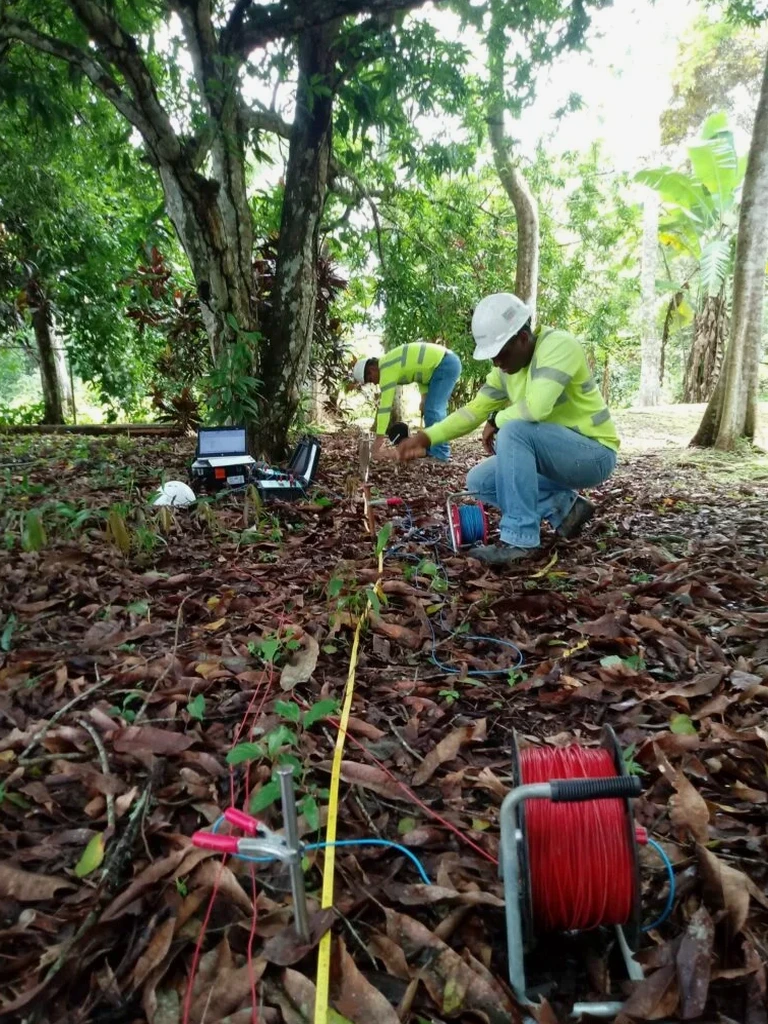
Regulatory compliance in Chandler follows the International Building Code (IBC) as adopted by the City of Chandler, which references ASCE 7 standards for seismic design. Arizona does not have a statewide seismic code but enforces local amendments through municipal building departments. The 2021 IBC, with Arizona-specific adjustments, requires site-specific geotechnical investigations for structures in Seismic Design Categories C through F, which apply to most commercial, industrial, and essential facilities in the region. These investigations often mandate a site response analysis to generate design response spectra tailored to the site's soil profile, ensuring that structural designs account for actual ground motion characteristics rather than generic code assumptions.
Projects that typically require seismic services in Chandler include high-rise buildings, healthcare facilities, data centers, bridges, and critical infrastructure such as water treatment plants and emergency response centers. Additionally, developers of large residential subdivisions on reclaimed land or near the Gila River Indian Community may need seismic microzonation studies to map hazard variations across a site, while innovative designs incorporating base isolation seismic design can reduce seismic demands on structures, a technique gaining traction for essential facilities in moderate hazard zones. These services collectively ensure that Chandler's built environment remains safe, functional, and compliant with evolving engineering standards.
Questions and answers
What are the primary seismic hazards considered in Chandler, Arizona?
In Chandler, the primary seismic hazards include ground shaking amplification due to deep alluvial soils, soil liquefaction in saturated sandy layers, and potential surface fault rupture near mapped Quaternary faults. Site-specific studies evaluate these risks using probabilistic seismic hazard analysis (PSHA) and local geotechnical data to inform foundation design and structural detailing per ASCE 7 and IBC requirements.
When is a site-specific seismic study required for a project in Chandler?
A site-specific seismic study is typically required for structures assigned to Seismic Design Category C or higher under the IBC, which includes most commercial, industrial, and essential facilities. The City of Chandler building department mandates geotechnical reports with seismic analyses when site conditions indicate soft soils, high groundwater, or proximity to known fault zones, ensuring code-compliant design ground motions.
How do local soil conditions in Chandler affect seismic design?
Chandler's basin-fill sediments, composed of interbedded sands, silts, and gravels, can significantly amplify seismic waves and extend shaking duration. These site effects are quantified through shear wave velocity testing and site response analysis, which often reveal higher spectral accelerations than code defaults, necessitating customized design spectra for structural engineers.
What role does seismic microzonation play in urban planning for Chandler?
Seismic microzonation divides a geographic area into zones based on relative seismic hazard potential, such as liquefaction susceptibility or ground motion amplification. In Chandler, this tool helps city planners and developers identify high-risk zones for land-use decisions, prioritize retrofit programs, and establish performance-based design criteria for large-scale infrastructure and residential developments.